BG660 Marine Shaft System/marine Propeller Shaft System/joint Propeller Shaft for High Speed Application Boats for Sales
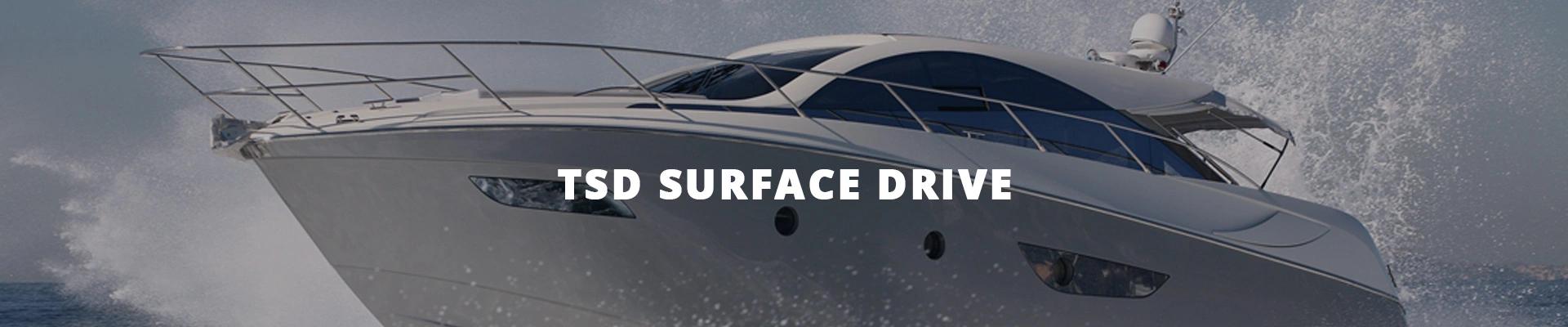
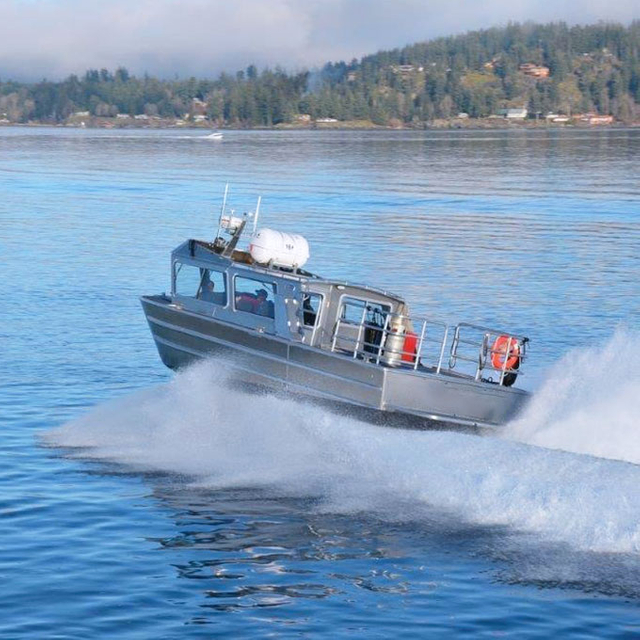
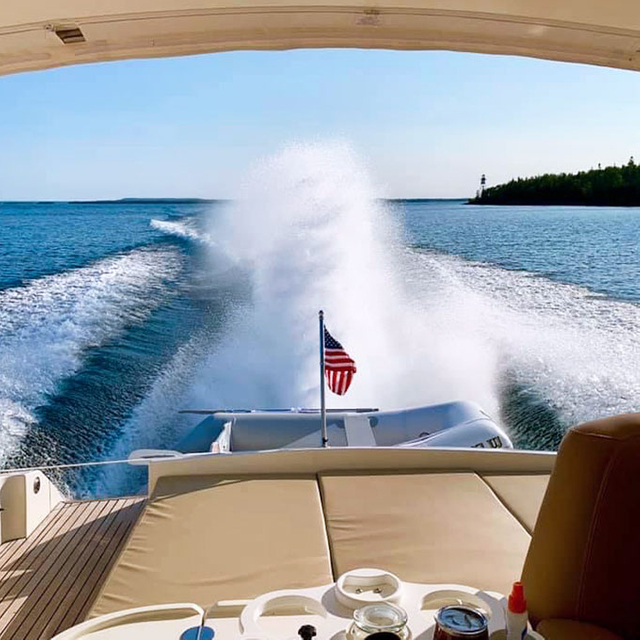
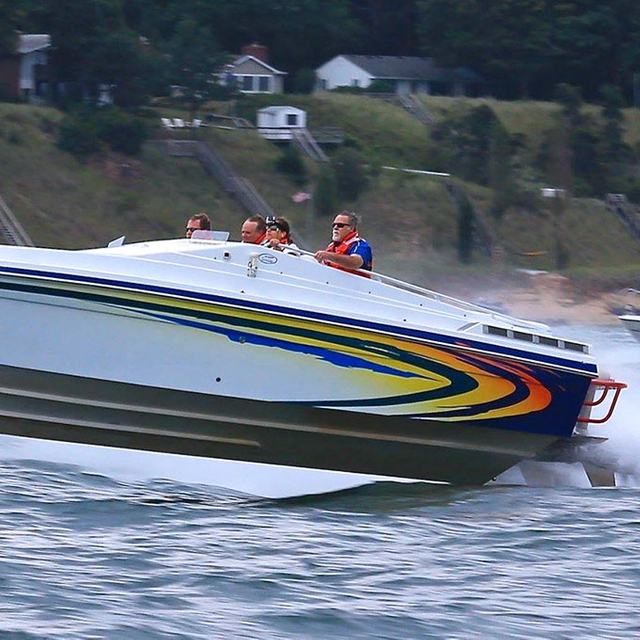
Surface Drives are among the most efficient marine propulsion systems in the world. What are Surface Drives, and how do Surface Drives work? Put quite simply, surface piercing propellers operate half in and half out of the water in the planning wake region of a boat which is just behind the boat transom. Having the propeller at the water surface level reduces drag and the vessel draft, making Surface Drives suitable for multiple applications where the owner is looking to reduce fuel consumption, increase speed and create a more efficient vessel. There are advantages and disadvantages with any propulsion system for water crafts. But for fast planning vessels, surface propulsion has several distinct advantages over its competitors in the propulsion marketplace. The perfect vessel for this propulsion has a sport deep V hull, with a very low power-to-weight ratio, like Pershing yachts. Quickly summarizing we can say that surface-piercing propeller design reduces underwater drag by 50% compared to conventional submerged propeller drive systems (example: Shaft drives system). The only surfaces to contact the water are propeller blades and a protective skeg. This results in higher overall speed, quicker acceleration, and a better payload to power ratio... and... less drag significantly improves fuel economy while lowering operating costs. Overall from a Surface Drive system, you can expect greater fuel efficiency for a boat capable of achieve a cruising speed higher than 35/40 kn, zero cavitation and shallower drafts, less maintenance and exceptional astern performance, making Surface Drives the smart choice.
This certificate is valid to the following scope for QMS: ^DESIGN, DEVELOPMENT AND MANUFACTURE OF MARINE ACCESSORY PRODUCTS (MOVABLE SEMIIMMERSED OAR, FIXED SEMI-IMMERSION OAR, GEAR BOX)*.