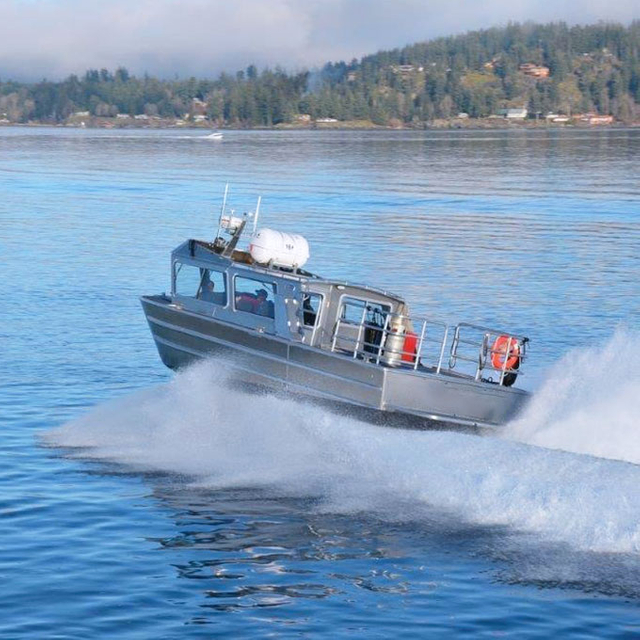
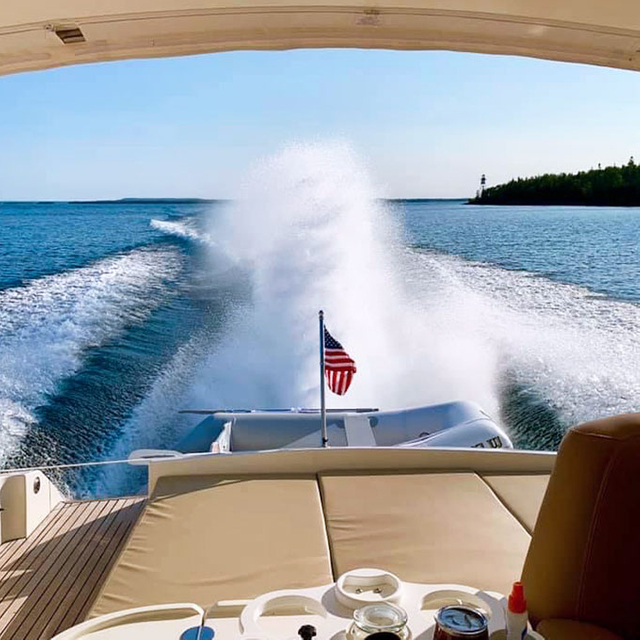
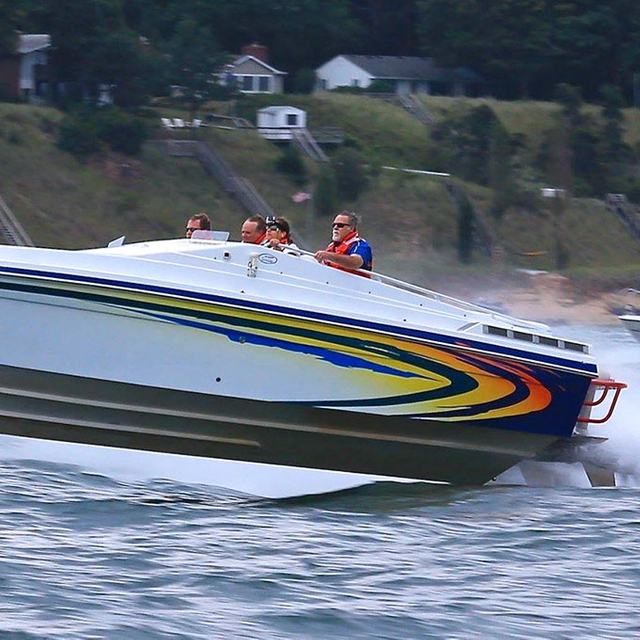
Verified by 32 sets of pool calibration data and 27 global vessel sea trials, standardized mass-produced surface drive systems are no longer niche refitting accessories, but universal next-generation high-speed vessel propulsion solutions. Compatible with diesel, gasoline and hybrid power units, TSD propulsion covers patrol, rescue, yacht and recreational vessel scenarios. Future marine propulsion competition will break horsepower involution, focusing on long-term durability, extreme sea condition stability and full-lifecycle operational costs. This is also the core track for domestic marine propulsion manufacturers to achieve global overtaking.
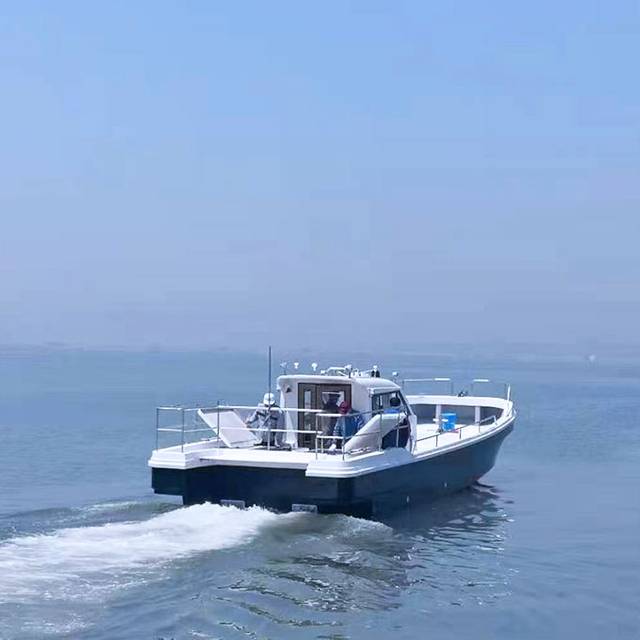
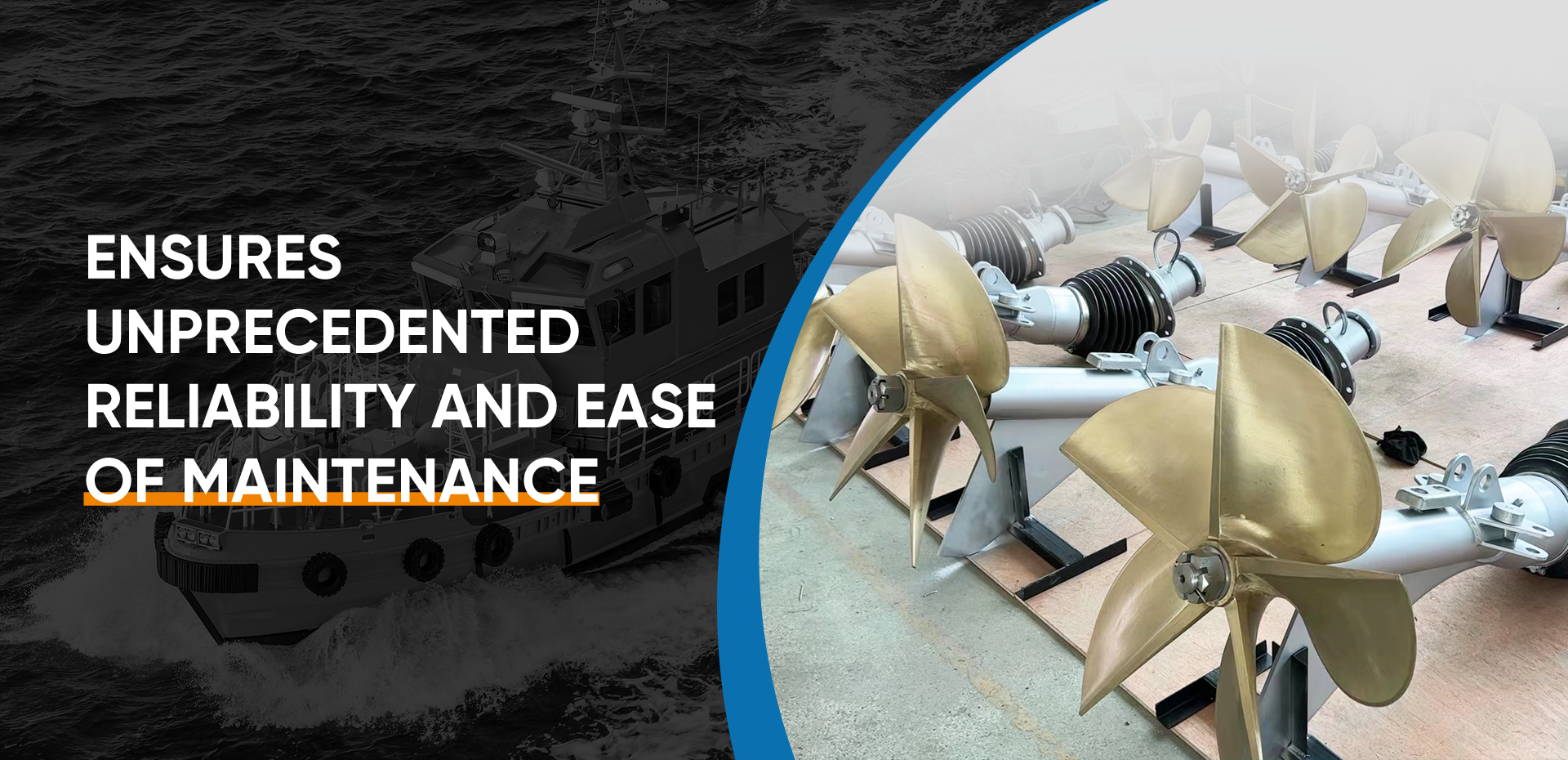
Read MoreTSD Surface Drive Systems specializes in surface-piercing propulsion technology, delivering certified high-performance marine propulsion solutions to commercial operators, navies, shipyards, and recreational vessel owners across more than 30 countries. With over a decade of dedicated engineering in surface drive technology, TSD offers a comprehensive product range covering vessels from small high-speed recreational craft to large commercial and patrol vessels rated at 2,000HP and above. Backed by ABS and CCS classification society certification, ISO 9001:2015/2016 quality management standards, and a global network of installation and service partners, TSD Surface Drive Systems provides the ideal propulsion solution for operators who demand maximum speed, fuel efficiency, and long-term reliability from their marine powertrain.
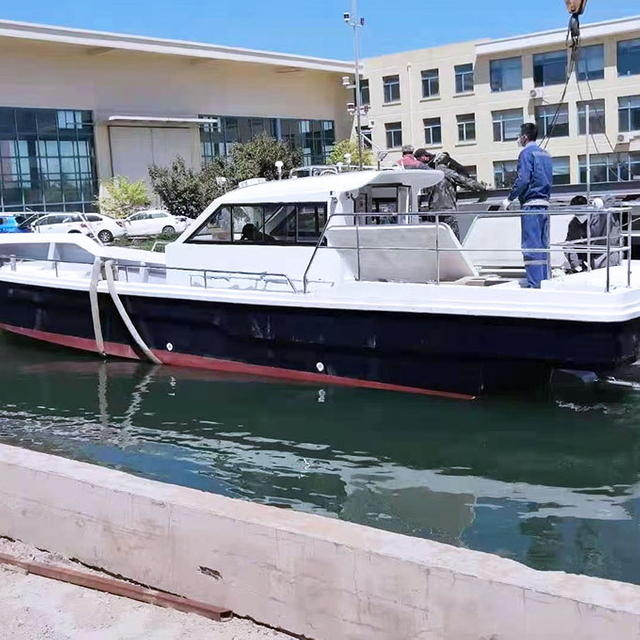
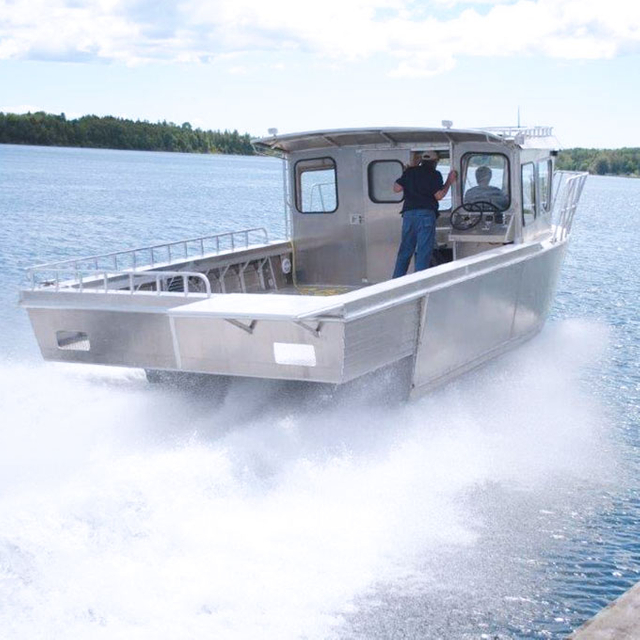
Read MoreWe are excited to announce that TSD SURFACE DRIVE SYSTEM, a new propulsion solutions provider, will be making its international debut at the renowned METSTRADE International Marine Equipment Trade Show. This highly anticipated event will take place from November 19th to 21st, 2024, in the Netherland
Read MoreInstalling a surface drive system correctly is the single most important factor determining whether the installation performs to its rated capability or underperforms from day one. A surface drive that is installed at the wrong vertical height, wrong transom angle, or with incorrect shaft alignment
Read More