The shipping industry, like many other sectors, is constantly evolving to meet new challenges and demands. Here are some of the current trends and developments in the shipping industry:
Decarbonization and Sustainability:
One of the most significant trends in the shipping industry is the push for decarbonization and sustainability. Stringent regulations, environmental concerns, and the need to reduce greenhouse gas emissions are driving the industry to explore alternative fuels, propulsion technologies (such as LNG and hydrogen), and energy-efficient vessel designs. Efforts are also being made to reduce the carbon footprint of existing vessels.
Digitalization and Automation:
The shipping industry is embracing digital technologies and automation to improve efficiency and reduce operational costs. This includes the use of IoT (Internet of Things) for real-time monitoring, predictive maintenance, and remote vessel management. Autonomous vessels and remote-controlled drones for inspection and maintenance are also being explored.
E-commerce and Last-Mile Delivery:
The rise of e-commerce has led to increased demand for efficient last-mile delivery solutions. Shipping companies are adapting to this trend by optimizing their logistics networks, enhancing tracking and visibility for customers, and developing new delivery technologies, including autonomous delivery vehicles and drones.
Container Shortages and Supply Chain Disruptions:
The COVID-19 pandemic has exposed vulnerabilities in global supply chains. The shipping industry is dealing with container shortages, port congestion, and disruptions in the flow of goods. Companies are working to build more resilient and flexible supply chains to mitigate such disruptions in the future.
Cybersecurity Concerns:
As the industry becomes more digitally connected, it also becomes more vulnerable to cyberattacks. Cybersecurity is a growing concern, and shipping companies are investing in robust cybersecurity measures to protect their operations and data.
Alternative Power Sources and Green Shipping:
The shipping industry is exploring alternative power sources, including wind propulsion and solar panels, to reduce reliance on traditional fossil fuels. Some vessels are adopting hybrid or fully electric propulsion systems.
Emission Reduction Regulations:
Stringent emission reduction regulations, such as the International Maritime Organization's (IMO) sulfur cap and Energy Efficiency Existing Ship Index (EEXI), are pushing the industry to adopt cleaner fuels and more energy-efficient technologies.
Global Trade Shifts:
Geopolitical and economic shifts, such as the U.S.-China trade tensions and the Belt and Road Initiative, are influencing global trade routes and cargo flows. Shipping companies are adapting their operations to navigate changing trade dynamics.
Diversification of Shipping Routes:
Climate change and melting ice caps are opening up new shipping routes in the Arctic, allowing for shorter transit times and cost savings. The Northern Sea Route and the Northwest Passage are becoming more viable options, although they present their own logistical and environmental challenges.
Crew Welfare and Mental Health:
The mental health and well-being of seafarers have gained more attention, particularly in the context of extended contracts and crew changes disrupted by the pandemic. Shipping companies are addressing these concerns and working on initiatives to improve the lives of seafarers.
These trends reflect the evolving nature of the shipping industry as it adapts to meet the demands of a changing world, including environmental considerations, technological advancements, and shifts in global trade and logistics.
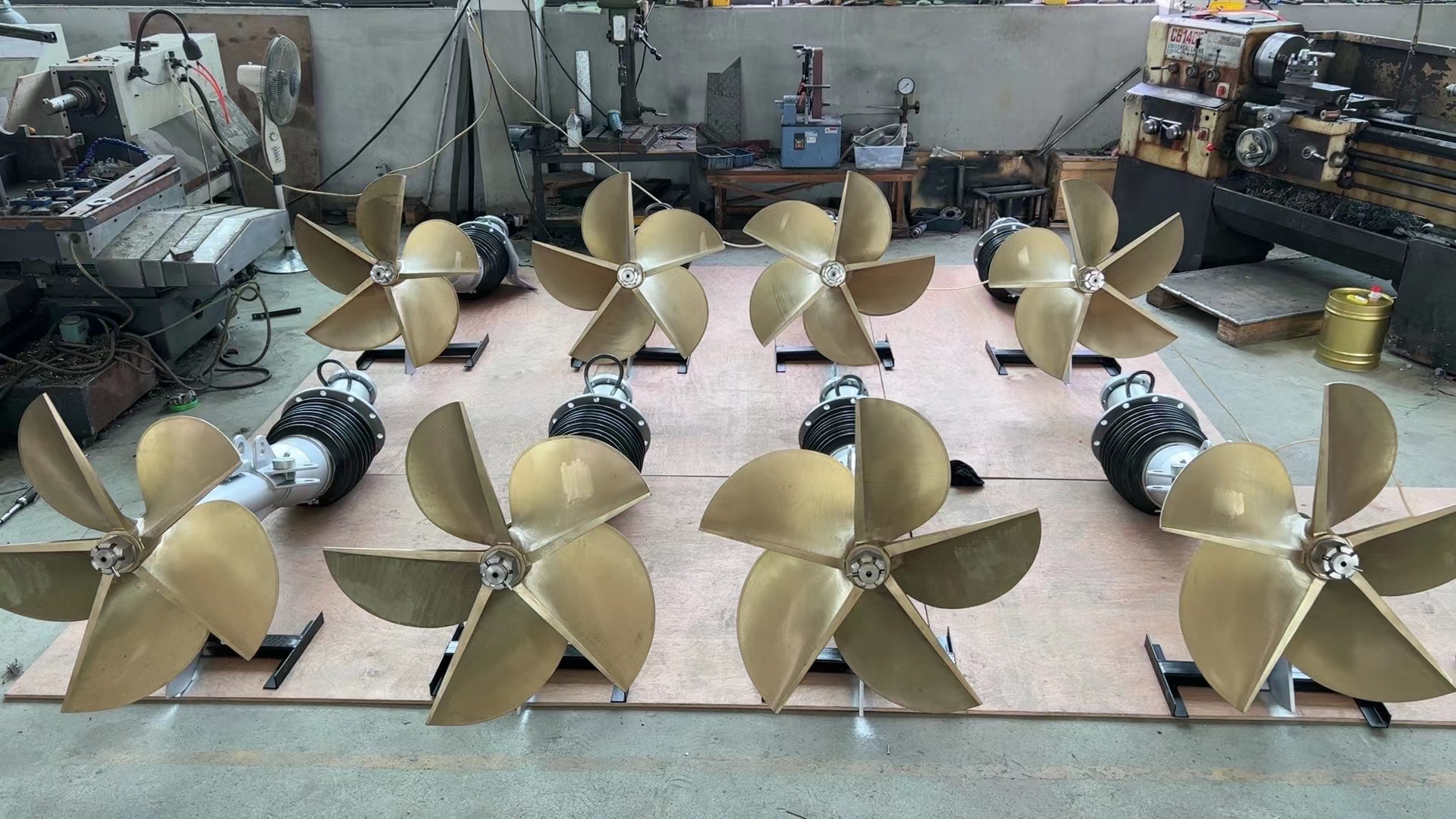
Verified by 32 sets of pool calibration data and 27 global vessel sea trials, standardized mass-produced surface drive systems are no longer niche refitting accessories, but universal next-generation high-speed vessel propulsion solutions. Compatible with diesel, gasoline and hybrid power units, TSD propulsion covers patrol, rescue, yacht and recreational vessel scenarios. Future marine propulsion competition will break horsepower involution, focusing on long-term durability, extreme sea condition stability and full-lifecycle operational costs. This is also the core track for domestic marine propulsion manufacturers to achieve global overtaking.
TSD Surface Drive Systems specializes in surface-piercing propulsion technology, delivering certified high-performance marine propulsion solutions to commercial operators, navies, shipyards, and recreational vessel owners across more than 30 countries. With over a decade of dedicated engineering in surface drive technology, TSD offers a comprehensive product range covering vessels from small high-speed recreational craft to large commercial and patrol vessels rated at 2,000HP and above. Backed by ABS and CCS classification society certification, ISO 9001:2015/2016 quality management standards, and a global network of installation and service partners, TSD Surface Drive Systems provides the ideal propulsion solution for operators who demand maximum speed, fuel efficiency, and long-term reliability from their marine powertrain.
We are excited to announce that TSD SURFACE DRIVE SYSTEM, a new propulsion solutions provider, will be making its international debut at the renowned METSTRADE International Marine Equipment Trade Show. This highly anticipated event will take place from November 19th to 21st, 2024, in the Netherland
Installing a surface drive system correctly is the single most important factor determining whether the installation performs to its rated capability or underperforms from day one. A surface drive that is installed at the wrong vertical height, wrong transom angle, or with incorrect shaft alignment
Hello, I am the author of this article. In the past nearly 10 years, we have helped more than 150 customers recommend the installation of boat propellers and the matching of engines and gearboxes. If you have any questions, give us a call for a free, no-obligation quote or to discuss your solutions.