Surface drive systems can play a significant role in addressing several of the current trends and challenges in the shipping industry
Decarbonization and Sustainability:
Surface drive systems, especially those designed for smaller vessels and high-speed applications, can incorporate alternative, more eco-friendly power sources such as electric or hybrid propulsion. By reducing reliance on traditional fossil fuels, they contribute to the industry's efforts to decarbonize and become more sustainable.
Digitalization and Automation:
Surface drive systems can be integrated with digital technologies to optimize vessel performance. They can benefit from IoT solutions for real-time monitoring and data collection, allowing for more efficient maintenance and performance tuning. Automation can also be applied to certain aspects of surface drive systems to enhance vessel control and navigation.
E-commerce and Last-Mile Delivery:
In applications where speed and maneuverability are crucial, surface drive systems can provide the agility needed for last-mile delivery in crowded ports or challenging coastal areas. Their ability to operate in shallow waters and tight spaces makes them suitable for efficient cargo handling in logistics.
Emission Reduction Regulations:
Surface drive systems can adopt alternative fuels, such as natural gas or hydrogen, to meet emission reduction regulations. Their design, with surface-piercing propellers that reduce drag, also contributes to fuel efficiency and lower emissions.
Global Trade Shifts:
Surface drive systems are versatile and can be used in various vessel types, including patrol boats, high-speed ferries, and workboats. They can adapt to shifting cargo flows and new trade routes, offering speed and maneuverability when required.
Diversification of Shipping Routes:
In regions like the Arctic, where new shipping routes are opening up due to climate change, surface drive systems can provide the speed and adaptability needed for navigating these challenging and often ice-prone waters.
Crew Welfare and Mental Health:
Surface drive systems can enhance crew safety and comfort by offering better stability and reduced vibration, contributing to improved working conditions for seafarers.
It's important to note that the applicability of surface drive systems in the shipping industry depends on the specific vessel type and operational requirements. However, their unique characteristics, including reduced fuel consumption, high performance, and maneuverability, make them well-suited for addressing many of the current trends and challenges in the industry, especially in applications where speed and efficiency are paramount.
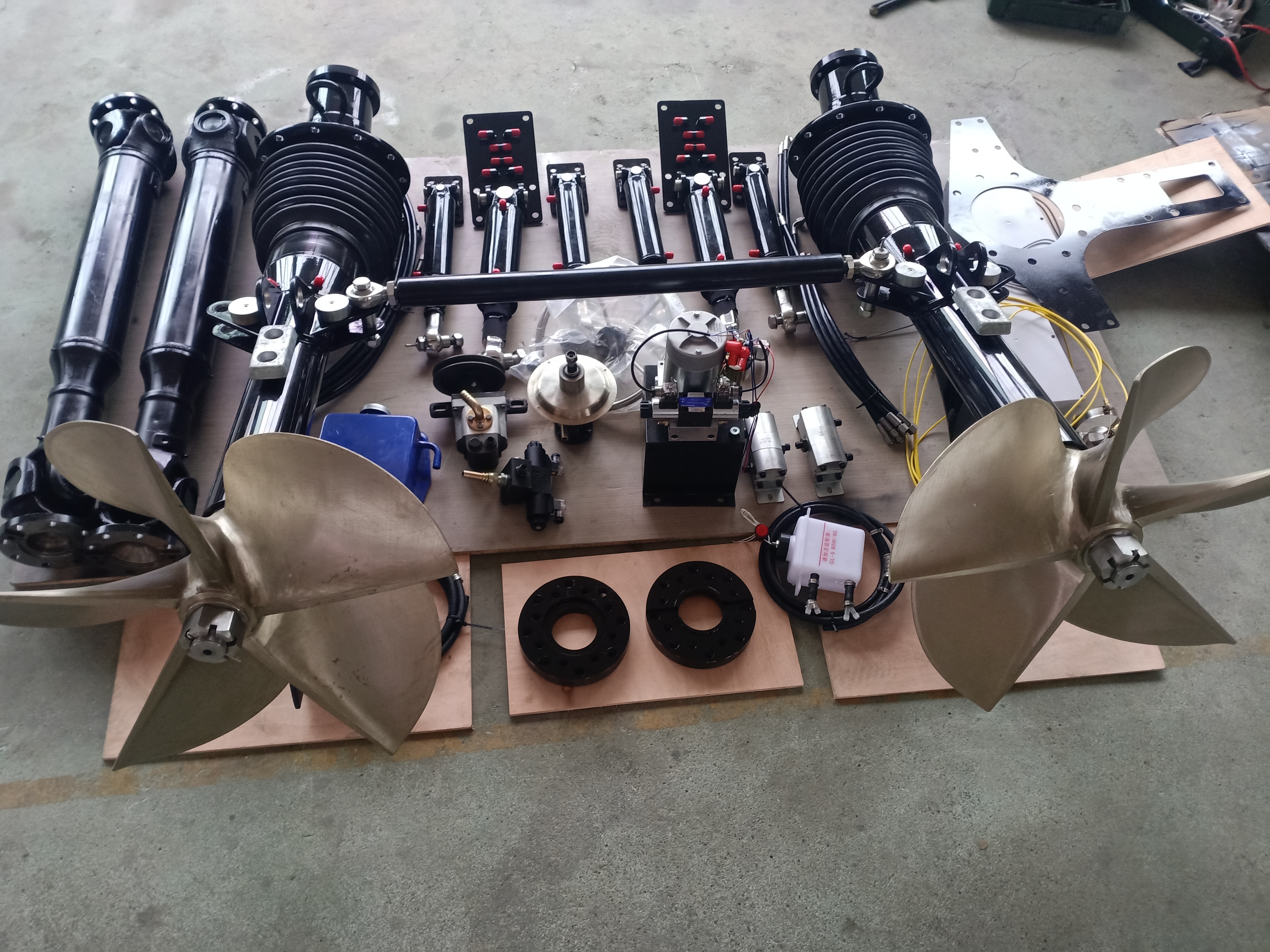
Verified by 32 sets of pool calibration data and 27 global vessel sea trials, standardized mass-produced surface drive systems are no longer niche refitting accessories, but universal next-generation high-speed vessel propulsion solutions. Compatible with diesel, gasoline and hybrid power units, TSD propulsion covers patrol, rescue, yacht and recreational vessel scenarios. Future marine propulsion competition will break horsepower involution, focusing on long-term durability, extreme sea condition stability and full-lifecycle operational costs. This is also the core track for domestic marine propulsion manufacturers to achieve global overtaking.
TSD Surface Drive Systems specializes in surface-piercing propulsion technology, delivering certified high-performance marine propulsion solutions to commercial operators, navies, shipyards, and recreational vessel owners across more than 30 countries. With over a decade of dedicated engineering in surface drive technology, TSD offers a comprehensive product range covering vessels from small high-speed recreational craft to large commercial and patrol vessels rated at 2,000HP and above. Backed by ABS and CCS classification society certification, ISO 9001:2015/2016 quality management standards, and a global network of installation and service partners, TSD Surface Drive Systems provides the ideal propulsion solution for operators who demand maximum speed, fuel efficiency, and long-term reliability from their marine powertrain.
We are excited to announce that TSD SURFACE DRIVE SYSTEM, a new propulsion solutions provider, will be making its international debut at the renowned METSTRADE International Marine Equipment Trade Show. This highly anticipated event will take place from November 19th to 21st, 2024, in the Netherland
Installing a surface drive system correctly is the single most important factor determining whether the installation performs to its rated capability or underperforms from day one. A surface drive that is installed at the wrong vertical height, wrong transom angle, or with incorrect shaft alignment
Hello, I am the author of this article. In the past nearly 10 years, we have helped more than 150 customers recommend the installation of boat propellers and the matching of engines and gearboxes. If you have any questions, give us a call for a free, no-obligation quote or to discuss your solutions.