2026 Global Shipping Outlook: An In-Depth Continental Analysis of Maritime Trade, Logistics, and Industrial Strategy

Meta Description: A comprehensive long-form analysis of the global shipping industry trends for 2026. This deep dive explores the critical dynamics, challenges, and opportunities shaping maritime trade across Asia, Europe, North America, the Middle East, Africa, and Latin America. Essential reading for logistics and supply chain professionals seeking to navigate the complexities of the modern trade landscape.
Keywords: global shipping trends 2026, maritime industry analysis, supply chain logistics, continental shipping dynamics, port congestion, shipbuilding strategy, green shipping transition, freight forwarding insights, logistics thought leadership, trade policy impact
Executive Summary: Navigating the New Paradigm of Global Shipping
The global shipping industry is navigating a period of profound and structural transformation in 2026. The market has fundamentally shifted from an era of predictable, seasonal trade flows into a new paradigm defined by a complex interplay of structural overcapacity, persistent geopolitical volatility, and an accelerated, albeit uneven, green transition. A projected 3.6% growth in the global fleet is set to outpace the 3% growth in demand, creating a persistent downward pressure on freight rates and challenging carrier profitability . This environment demands more than just operational efficiency; it requires strategic foresight and unprecedented supply chain resilience.
This in-depth analysis provides a comprehensive continental perspective on the key trends shaping maritime trade, offering critical insights for businesses seeking to build robust and agile supply chains. Our report dissects the distinct industrial strategies, infrastructural challenges, and market dynamics in Asia-Pacific, Europe, North America, the Middle East, Africa, and Latin America. From the shipbuilding epicenters of East Asia to the strategic port developments in the Middle East and the industrial revitalization efforts in North America, we uncover the nuanced realities of a globally interconnected yet regionally distinct maritime landscape. This report serves as an essential guide for logistics leaders, supply chain managers, and strategic planners aiming to understand and master the complexities of global trade in 2026 and beyond.
1. Asia-Pacific: The Engine of Shipbuilding and Green Innovation
The Asia-Pacific region continues to be the undisputed powerhouse of the global maritime industry, serving as the primary engine for both shipbuilding and the ongoing green transition. This dominance, however, is characterized by intense internal competition and a strategic pivot from volume to value.
Shipbuilding: A Tale of Three Strategies
East Asia’s triumvirate—China, South Korea, and Japan—maintains a firm grip on global shipbuilding, but each nation is pursuing a distinct strategy. China, leveraging its immense industrial scale, solidified its position as the world's largest shipbuilder, accounting for an estimated 65% of global orders in deadweight tonnage in 2025 . Its focus remains on capturing market share across a wide range of vessel types.
In contrast, South Korea’s major shipbuilders (HD Korea Shipbuilding & Offshore Engineering, Hanwha Ocean, and Samsung Heavy Industries) are executing a high-value strategy. Despite a 27% global decline in new orders, they secured $35.93 billion in contracts in 2025 by focusing on technologically advanced, eco-friendly vessels . They have aggressively entered the high-spec container ship market and remain the dominant force in building complex LNG carriers, which are crucial for the global energy transition.
Japan, the original shipbuilding titan, is responding through consolidation. The merger of Imabari Shipbuilding and Japan Marine United (JMU) has created a new top-tier global player, explicitly aiming to enhance its competitiveness and accelerate its own LNG carrier construction program .
| Country | 2025 Market Position & Orders | Strategic Focus for 2026 |
| China | 65% of global orders (dwt); ~50% of commercial shipbuilding | Broad market dominance, green transition leadership, volume |
| South Korea | $35.93B in orders; dominant in LNG carriers | High-value, technologically advanced eco-friendly vessels |
| Japan | Consolidation creating a top-4 global player | Enhancing competitiveness, accelerating LNG carrier construction |
The Green Transition: A Fractured Pathway
Asia is also the primary arena for the industry's decarbonization efforts, though the path forward is proving to be fragmented. The adoption of LNG as a bunker fuel is showing robust growth, with Singapore's consumption growing 36% year-on-year in 2025 . However, the momentum for biofuels has slowed significantly, with demand in Singapore dropping sharply. This slowdown is attributed to regulatory uncertainty following the IMO's deferment of its Net Zero Framework and the complex implementation of the EU’s RED III directive, which has created ambiguity around compliance and cost . This highlights the industry's acute sensitivity to the global policy landscape.
Oceania: Managing Volatility at the End of the Line
Positioned at the far end of major trade lanes, Australia and New Zealand are acutely exposed to the market's volatility. The traditional peak season has been supplanted by chaotic surges as major economies front-load orders, creating a bullwhip effect of capacity shortages and rate spikes . For businesses in this region, the "just-in-time" inventory model is no longer tenable. The shift to a "just-in-case" strategy is now essential, requiring extended forecasting horizons (from 30 to 90 days) and proactive vessel space booking to mitigate the high costs of disruption.
2. Europe: Bracing for Congestion and Regulatory Headwinds
Europe's mature and highly efficient maritime sector is preparing for a period of significant operational and regulatory stress. The continent's major ports, already operating at high utilization rates, face the dual threats of severe congestion and a wave of new regulations that will reshape supply chain economics.
The Trans-Suez Return: A Double-Edged Sword
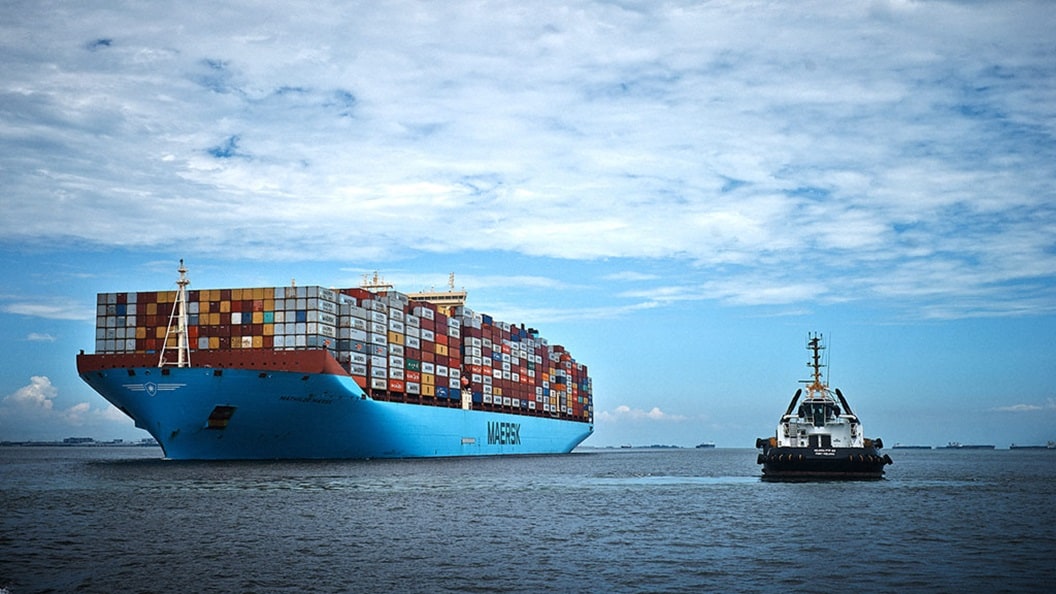
The most pressing concern for 2026 is the potential large-scale return of Asia-Europe services to the Suez Canal. While this would shorten transit times, it introduces considerable volatility. Maersk has issued warnings that the first vessels returning via the Suez could arrive simultaneously with the final vessels that took the longer route around the Cape of Good Hope, creating a severe "inventory whiplash" for importers .
This scenario poses a significant risk to port infrastructure. Key European hubs like Rotterdam, Hamburg, and Algeciras were already operating at approximately 80% efficiency in mid-2025. A sudden, simultaneous influx of vessels could rapidly push them towards the 90% utilization threshold, a level at which operational vulnerabilities and delays escalate dramatically . This risk is amplified by the fact that inventory levels in the Euro Area are already above pre-pandemic averages relative to demand, making widespread overstocking a distinct and costly possibility .
Regulatory and Economic Shifts Reshaping Trade
Europe is also at the forefront of regulatory changes that will have a direct impact on shipping and logistics. A pivotal change is the EU's move to eliminate the de minimis tax exemption for low-value imports. Effective July 1, 2026, shipments valued up to 150 EUR, which were previously exempt, will be subject to fees, adding a new layer of cost and administrative complexity for e-commerce and small parcel shippers . This mirrors a similar policy shift in the US, which removed its $800 de minimis exemption in late 2025, subjecting a vast number of low-value shipments to full duties and taxes.
These regulatory headwinds, combined with the operational challenges of potential port congestion, are compelling European businesses to adopt more sophisticated and resilient supply chain strategies. This includes diversifying gateways, securing alternative transport routes, and fostering deeper collaboration with carriers to manage inventory flows and mitigate the high costs associated with both stockouts and overstocking.
3. North America: A Shipbuilding Industry at a Strategic Crossroads
North America, and the United States in particular, presents a unique and contrasting picture. While its vast consumer market is a primary engine of global shipping demand, its domestic shipbuilding industry is facing a critical inflection point, defined by a significant and widening gap between strategic naval ambitions and industrial capacity.
The Naval Shipbuilding Gap: A National Security Challenge
The U.S. shipbuilding industry is struggling to keep pace with the U.S. Navy's ambitious fleet expansion and modernization goals. The industry is currently delivering only about half the number of new ships the Navy requires annually, a shortfall that has significant national security implications . The production gap is stark across key programs:
The Navy has a goal of acquiring 19 new Virginia-class submarines by 2034, but at current rates, it will receive just 11. The gap for Arleigh Burke–class destroyers is even greater: a target of 26, with the industry on track to deliver just 8.6.
This deficit is not a result of a lack of capability—the U.S. possesses a vast industrial base and a large maritime workforce. Rather, the issue is one of coordination, process, and industrial strategy. A detailed analysis by the Boston Consulting Group points to two fundamental areas for improvement: modular construction and design discipline . U.S. shipyards currently perform approximately 90% of production onsite, a stark contrast to leading European and Asian yards where 20-50% of construction occurs at specialized upstream facilities. Adopting a modular approach, where large, complex sections are built in parallel at various offsite locations, could potentially double the annual construction rate and alleviate bottlenecks at primary shipyards .
Furthermore, a lack of design discipline has led to significant production delays and cost overruns. The Arleigh Burke-class destroyers, for instance, saw a 22% cost increase and an 80% delivery time extension due to design changes introduced at the Flight IIA-III stage alone . Stabilizing designs for longer production runs is essential for capturing efficiencies and improving delivery timelines.
Workforce and Economic Imperatives
The challenge is compounded by a looming workforce crisis. The U.S. Department of Labor estimates that the shipbuilding industry may require an additional 200,000 to 250,000 skilled workers for critical roles, highlighting a significant talent and training gap that must be addressed .
Successfully tackling these issues holds substantial economic potential. A comprehensive revitalization effort could boost the industry's annual revenue from $30 billion to $65 billion and nearly double the workforce from just over 400,000 to nearly 1 million jobs . This underscores a national strategic priority for 2026: forging a cohesive national strategy between government and private industry to rebuild the domestic manufacturing base, secure the naval supply chain, and ensure long-term economic and national security.
4. Middle East & Africa: Forging New Gateways of Global Trade
The maritime sectors in the Middle East and Africa are on a powerful upward trajectory, characterized by ambitious infrastructure investments, strategic hub development, and burgeoning trade volumes. While at different stages of development, both regions are actively working to enhance their roles in global trade, transitioning from peripheral players to critical, strategic gateways.
The Middle East: The Ascent of Global Logistics Superhubs
The Arab world is rapidly and strategically expanding its shipping and logistics industries, driven by visionary government-led initiatives and substantial capital investment. In 2026, the region is cementing its position as an international force shaping the flow of goods across continents . Countries like the UAE, Saudi Arabia, Oman, and Qatar are making massive, multi-billion-dollar investments in port expansion, connectivity, and technology.
Key ports such as Jebel Ali and Khalifa Port in the UAE, Jeddah Islamic Port in Saudi Arabia, and the ports of Sohar and Duqm in Oman are being developed into major transshipment and integrated logistics hubs . This development extends far beyond simply increasing port capacity; it is about creating holistic logistics ecosystems that seamlessly connect sea, air, and land transport, supported by sprawling free zones and cutting-edge digital infrastructure. The strong emphasis on digitalization, automation, and smart logistics systems is positioning these hubs to meet the highest global standards and attract high-value, time-sensitive cargo . This strategic push is further exemplified by regional consolidation, such as the sovereign wealth fund Abu Dhabi ADQ acquiring a majority stake in logistics giant Aramex to create a regional and global champion .
Africa: A Continent of Infrastructure and Trade Expansion
Africa’s maritime industry is defined by its dynamic growth and immense, largely untapped potential. North Africa, in particular, is experiencing record shipping volumes. North Africa Shipping, a key regional forwarder, handled an impressive 60,000 TEUs and 80,000 cubic meters of RoRo cargo from the UAE and the Far East in 2025, with ambitious plans to increase container throughput by another 15% in 2026 . This highlights the rapidly strengthening trade links between the Middle East and Africa.
Infrastructure development is the central theme across the continent. In Libya, the Misurata Freezone now features a 52,000-square-kilometer dry port equipped to handle breakbulk, heavy-lift, and container cargo for major industrial projects . Egypt is pressing ahead with ambitious plans to launch six new shipping lines to connect its ports with both East and West Africa, aiming to become a pivotal continental hub . In South Africa, major ports like Durban and Cape Town are undergoing a crucial "big port reset" aimed at lowering costs, reducing chronic delays, and improving overall supply chain dependability . The overarching challenge for African ports is to expand capacity sustainably to handle soaring trade volumes while simultaneously modernizing their operations to compete on a global scale .
| Region | Key Strengths & Investments | Strategic Focus for 2026 |
| Middle East | Strategic location, strong government investment, capital | Integrated logistics, digitalization, global hub status, consolidation |
| Africa | Rapidly growing trade volumes, vast untapped potential | Port capacity expansion, infrastructure development, regional connectivity |
5. Latin America: Embracing Volatility and Capitalizing on Nearshoring
For Latin America, 2026 is a year defined by the dual realities of structural volatility and strategic opportunity. The region's supply chains are navigating a complex web of geopolitical shocks, persistent local infrastructure constraints, and the powerful tailwinds of booming e-commerce growth. In this challenging environment, logistics is being elevated from a mere cost center to a critical strategic capability, with a focus on resilience, integration, and data-driven agility.
The New Reality of Structural Volatility
Volatility is no longer an occasional disruption but a permanent feature of the Latin American logistics landscape. The region’s high exposure to global markets, combined with infrastructure that can be slow to adapt, means that external shocks—from a drought affecting the Panama Canal to new tariffs or sudden regulatory changes—have a prolonged and pronounced impact on supply chain performance . This has forced a fundamental and necessary rethinking of supply chain strategy across the continent.
The complexity is compounded by long inland distances, capacity constraints at key ports, and varying levels of digital maturity among logistics partners. In response, leading companies are moving away from fragmented, siloed logistics setups and toward end-to-end integration. By consolidating providers and leveraging advanced digital platforms with AI-driven analytics and real-time tracking, businesses are gaining the visibility and control needed to make faster, more informed decisions in a constantly shifting market .
The Twin Engines of Growth: Nearshoring and E-commerce
Amid these challenges, significant opportunities are emerging. The global trend of nearshoring is creating a manufacturing investment boom in Central America, with exports to the U.S. projected to rise steadily as companies seek to shorten their supply chains and reduce geopolitical risk. Brazil and Chile are also successfully diversifying their export portfolios, tapping into new global markets and high-value commodities .
Simultaneously, the region's e-commerce sector is experiencing explosive growth, with market value expected to surpass $200 billion by 2026 . This rapid expansion is fundamentally reshaping logistics networks, driving massive demand for more sophisticated warehousing, fulfillment centers, and last-mile delivery solutions. It is also putting immense pressure on customs procedures to become faster and more efficient to handle the surge in small parcel volumes. Companies that can successfully navigate this evolving landscape by building resilient, adaptable, and digitally-enabled supply chains will be best positioned to capitalize on the region's immense growth potential.
Conclusion: Strategic Imperatives for a Divergent World
The global shipping industry in 2026 is a fractured and dynamic landscape. While overarching trends like overcapacity and decarbonization touch all regions, our continental analysis reveals a world of divergent priorities, capabilities, and strategic imperatives.
Asia remains the world's shipyard, but it is in the midst of a crucial transition from a volume-driven to a value-driven model. Here, the strategic battle is one of technological superiority, with South Korea and a consolidating Japan challenging China's scale through innovation in high-value, eco-friendly vessels.
Europe is on the defensive. Its mature, high-efficiency ports are bracing for the disruptive force of the Trans-Suez return and a wave of new environmental and customs regulations. The continent's focus is on mitigating congestion, managing inventory in a volatile environment, and adapting to a new, more complex regulatory reality.
North America is introspective, its commercial shipping prowess overshadowed by a critical and strategic challenge in naval shipbuilding. The continent’s primary maritime narrative for 2026 is one of industrial revitalization, workforce development, and the urgent need to align government policy with private industry capability to meet national security demands.
In stark contrast, the Middle East is outward-looking and expansionist, leveraging immense capital investment to build world-class logistics hubs that aim to redefine global trade routes and capture a larger share of international cargo flows.
Africa is in a phase of foundational growth, focusing on the essential task of building the port infrastructure necessary to support its rapidly expanding trade volumes and unlock its vast economic potential.
Finally, Latin America is adapting and innovating, turning the structural reality of volatility into a strategic advantage by embracing nearshoring, capitalizing on the e-commerce boom, and building the resilient, integrated logistics networks required for a new era of trade.
Across all continents, the message for 2026 is clear: the old paradigms of the shipping industry no longer apply. Success will not be defined by scale alone, but by agility, resilience, technological adoption, and strategic foresight. Whether it is a shipbuilder in Asia investing in green technology, a port operator in Europe preparing for a capacity surge, or a logistics provider in Latin America building an end-to-end digital platform, the winners will be those who can anticipate change, manage uncertainty, and build the intelligent supply chains of the future.